Blog

Indy 500 Frequencies!
I've been scanning races at IMS for years, and every time I hand a scanner to someone new, it goes the same way. Three laps in they get it, and they want to know why they sat through so many races without one. From the grandstands, the 500 is a great show, but it's...

What “AI-Assisted Writing” Actually Means (And Why It Matters)
Honest disclosure about AI-assisted writing isn’t about following rules. It’s about being clear where the thinking happened. Here’s what transparent AI use actually looks like for bloggers and creators who aren’t bound by academic or newsroom standards.

from the Confession of Belhar, PCUSA Book of Confessions
This passage from the Confession of Belhar was read aloud by the whole congregation last Sunday, and it really struck a chord with me. I wanted to share it along with the scripture that accompanies the bulletpoints. (From the PC(USA) Book of Confessions) We Believe:...
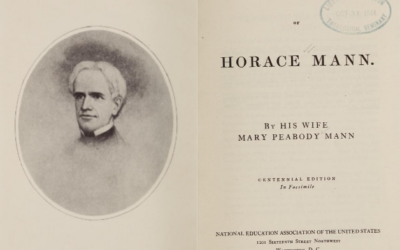
Life of Horace Mann by Mary Peabody Mann (1865)
Mary Peabody Mann’s poignant biography traces Horace’s journey from a modest Franklin, Massachusetts farm, son of farmer Thomas Mann and Rebecca Stanley, to Brown University scholar, state legislator, and Board of Education secretary. Amid losses like brother Stephen’s drowning and first wife Charlotte’s death, he rejected Calvinism for moral education reforms, championing free schools and asylums. Structured with letters and speeches, this 1865 memoir humanizes the reformer during America’s industrial dawn.

Ancestry, Education, and a Family Connection to Horace Mann
Horace Mann helped shape the American public school system. A documented family lineage shows we share a common 17th century ancestor, connecting history to the present.

The AI Consultant That Outscored Humans Exposed a Human Problem
When SAP quietly tested an AI copilot against human consultants, the machine scored about 95% accurate, until reviewers were told it was AI. Their ratings dropped, not because the work changed, but because the label did. This experiment says more about status anxiety and trust than it does about model quality, and it points to why “AI‑assisted, human‑reviewed” workflows need to become the new normal.

The 996 Work Culture is outlawed in China. Why not here?
The “996” schedule (9 am to 9 pm, six days a week) is creeping into Silicon Valley culture under the guise of hustle. While startups promise massive equity payouts, the reality is often a recipe for severe burnout, health issues, and empty pockets. Even China has outlawed this practice, so why are we normalizing it?

Why H.R. 1094 and S. 459 Must Pass: Empowering Hams in HOAs for Real Emergency Readiness
Amateur radio saves lives in disasters, but HOAs often block the antennas needed for practice. H.R. 1094 and S. 459 fix that with reasonable accommodations, balancing safety and emergency prep. Hams and neighbors: act now at send-a-letter.org/hoa/.

The Contrarian We Need
Michael Burry doesn’t do interviews. The hedge fund manager who famously predicted the 2008 housing crisis has spent most of the past two decades avoiding the media spotlight. So when he sat down with Michael Lewis for a rare conversation and revealed he’s shorting AI companies like NVIDIA and Palantir, people listened. His reasoning cuts through the hype: AI infrastructure spending massively exceeds actual revenues. For someone like me, an AI evangelist who genuinely believes we’re watching something transformative unfold, Burry’s position should feel like an attack. It doesn’t. It feels necessary. Here’s why his skepticism matters, even if you’re bullish on AI.

Why Claude Needs Better Memory (And Why Agents Just Got Smarter)
If you’ve used Claude for more than a few hours, you’ve probably hit a wall. Your conversation suddenly slows down. Claude politely tells you it’s approaching some kind of limit. You have to start a new chat. And just like that, Claude forgets everything you’ve been working on. Most people assume Claude’s memory is broken. It’s not. It’s actually by design.

The AI Cold War Is Already Here
Chinese state-sponsored hackers just weaponized Claude to attack 30 organizations. Most of the breaches failed. That’s actually the scariest part. Anthropic’s disclosure about the autonomous cyberattack campaign isn’t a wake-up call. It’s confirmation of something we’ve been avoiding saying out loud: we’re already in an AI cold war. And the acceleration is just beginning.
We’re Asking the Wrong Question About AI Regulation
We’re having the wrong debate about AI regulation. The fight between Washington and the states is political theater distracting from the actual problem: regulation can never keep pace with AI development. But here’s what people miss: the real reason we need federal standards isn’t because the federal government will regulate better. It’s because AI doesn’t respect state lines.